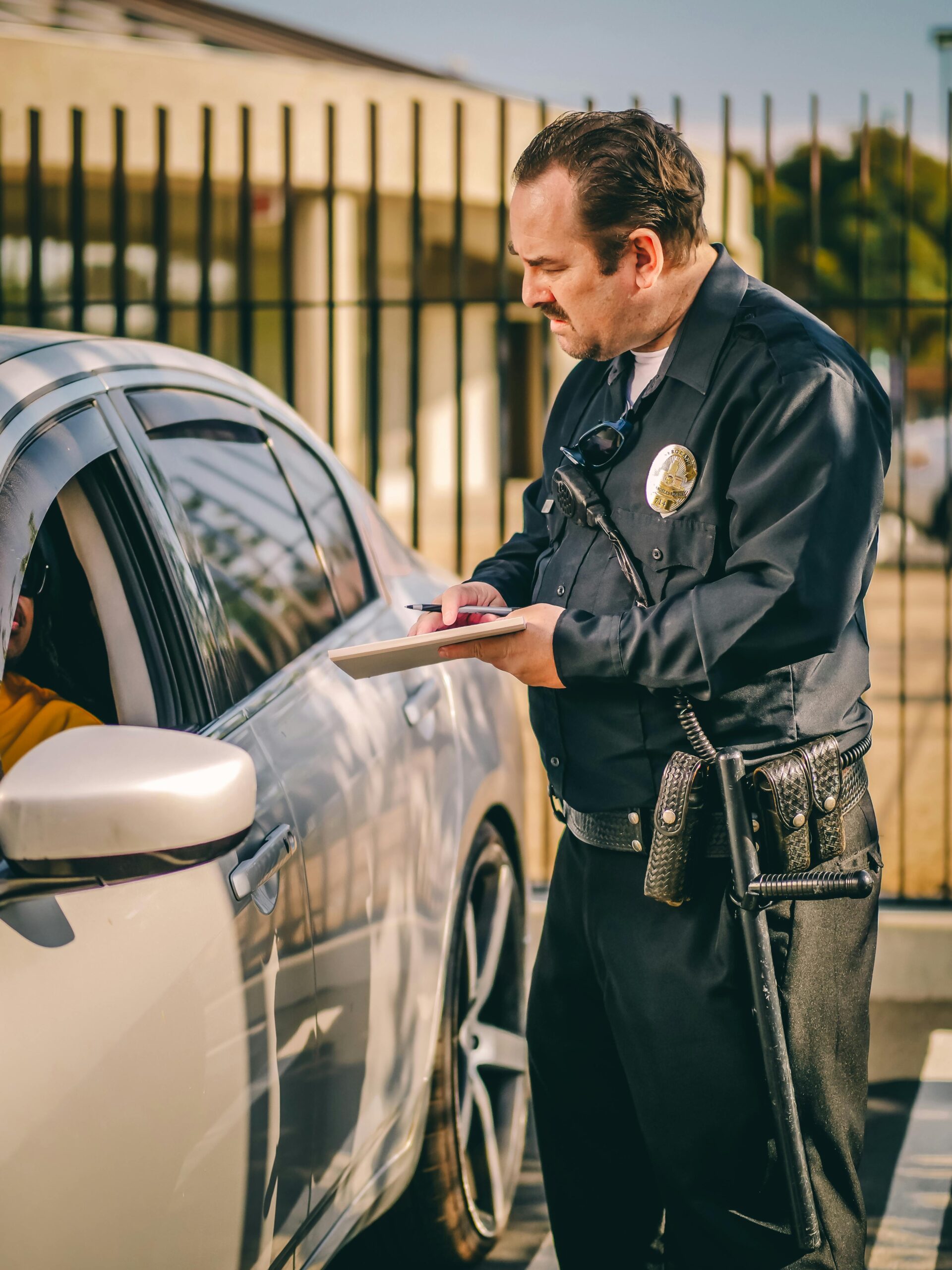
Traffic school is one of the most practical ways to deal with a speeding ticket. In most states, completing an approved driving course lets you dismiss the ticket or keep points off your license, which protects your insurance rate. But eligibility rules, course options, and what happens to your record afterward all vary by state. This guide explains how traffic school works and links you to the exact rules for your state.
Quick Facts: Traffic School by State
- Most states allow traffic school for first-time speeding offenses under a set speed threshold.
- Courses typically take 4 to 8 hours and can often be completed online.
- Costs range from about $20 to $100 for the course, plus any court fees.
- Completing traffic school can dismiss the ticket entirely or mask the points so they do not appear on your record.
- Most states limit how often you can use traffic school, often once every 12 to 24 months.
- Even with traffic school, the ticket may still appear on your record in some states, though without points.
How Traffic School Works
Traffic school is a state-approved driving course designed to refresh your knowledge of traffic laws and safe driving. When a court or state allows you to attend an approved course after a ticket, you complete the course and submit proof to the court. In return, the ticket is either dismissed outright or the points are withheld from your driving record. The goal is straightforward: keep your record clean and your insurance rate steady.
Who Is Eligible for Traffic School
Eligibility depends on your state, but the most common requirements are:
- The violation is a non-criminal moving violation (standard speeding, running a stop sign, etc.).
- You have not taken a driving course for another ticket within the last 12 to 24 months.
- The speed was under a state-set threshold (often 25 mph over the limit).
- You hold a standard (non-commercial) driver license.
- You have not caused an accident related to the violation.
Some states are more lenient than others. A few allow traffic school even for second offenses, while others restrict it strictly to first-timers. Your state guide has the exact eligibility criteria.
Online vs In-Person Traffic School
Most states now approve online driving courses alongside traditional classroom options. Online driving courses let you work at your own pace from any device, and you can usually start and stop as needed. In-person classes are typically a single day in a classroom setting. Both satisfy the court requirement equally. The key is to make sure the course you choose is approved by your state, since unapproved courses will not count.
How Much Does Traffic School Cost
The course fee varies by state and provider but generally falls between $20 and $100. Some states also charge a separate court or administrative fee on top of the course cost. Here are a few examples to illustrate the range.
| State | Typical course cost | Note |
|---|---|---|
| California | $20 – $50 | Court fee applies separately |
| Florida | $25 – $50 | Online courses widely approved |
| Texas | $25 – $50 | Defensive driving course (6 hours) |
| New York | $24 – $40 | Point and Insurance Reduction Program |
| Georgia | $30 – $80 | Defensive driving, max once per 5 years |
Costs and rules change by state and year. Your state guide has the current details and links to approved providers.
Does Traffic School Remove Points
This depends on how your state handles it. In some states, completing the course dismisses the ticket entirely, meaning no conviction, no points, and no record. In others, the conviction stays on your record but the points are masked, so your DMV point total is unaffected. A few states reduce points rather than remove them completely. Either way, the main benefit of the course is the same: it keeps points from piling up toward a license suspension and protects your insurance rate.
How a Ticket Affects Your Insurance Even with Traffic School
If traffic school fully dismisses the ticket, most insurers will never see it. But if your state only masks the points while keeping the conviction visible, some insurers may still factor it in. The good news is that the course almost always produces a better insurance outcome than simply paying the fine and accepting the points. The difference in premium over three to five years can be significant.
One ticket can raise your rate for years
Traffic school can help, but your premium may still shift. See what you are paying now and compare better options.
Find Your State’s Traffic School Rules
Every state sets its own eligibility, approved courses, costs, and deadlines. Pick your state below for a detailed guide covering exactly how traffic school works where you got your ticket.
Alaska
Arizona
Arkansas
California
Colorado
Connecticut
Delaware
Florida
Georgia
Hawaii
Idaho
Illinois
Indiana
Iowa
Kansas
Kentucky
Louisiana
Maine
Maryland
Massachusetts
Michigan
Minnesota
Mississippi
Missouri
Montana
Nebraska
Nevada
New Hampshire
New Jersey
New Mexico
New York
North Carolina
North Dakota
Ohio
Oklahoma
Oregon
Pennsylvania
Rhode Island
South Carolina
South Dakota
Tennessee
Texas
Utah
Vermont
Virginia
Washington
West Virginia
Wisconsin
Wyoming
Frequently Asked Questions
Can I take traffic school online?
In most states, yes. Online driving courses are widely approved and let you complete the requirement at your own pace. Just make sure the course is approved by your state or court before enrolling.
How long is traffic school?
Most state-approved courses run 4 to 8 hours. Online courses let you spread the time across multiple sessions.
How often can I use traffic school?
Most states limit the course to once every 12 to 24 months, though some allow it less frequently. Your state guide has the exact interval.
Does the course show up on my record?
It depends on the state. Some states dismiss the ticket completely so nothing appears. Others keep the conviction but remove the points. Check your state guide for how your state handles it.
Sources & How to Verify
The information here is drawn from public DMV resources and state court procedures. Traffic school rules change by state and year, so always confirm current eligibility and approved courses with your local court or state DMV.
- Your state DMV: search “[your state] traffic school” or “[your state] defensive driving” for approved courses and eligibility
- Your local traffic court: for deadlines, fees, and how to submit your completion certificate
- NHTSA: nhtsa.gov — national traffic safety data
- IIHS: iihs.org — insurance and crash-risk research
Informational only. Speeding Ticket Guide is an independent educational resource, not a law firm, and this page does not provide legal advice. Traffic school eligibility, costs, and outcomes vary by state, county, and case — always verify the current rules with your local court. For advice about your specific ticket, consult a licensed traffic attorney in your state.