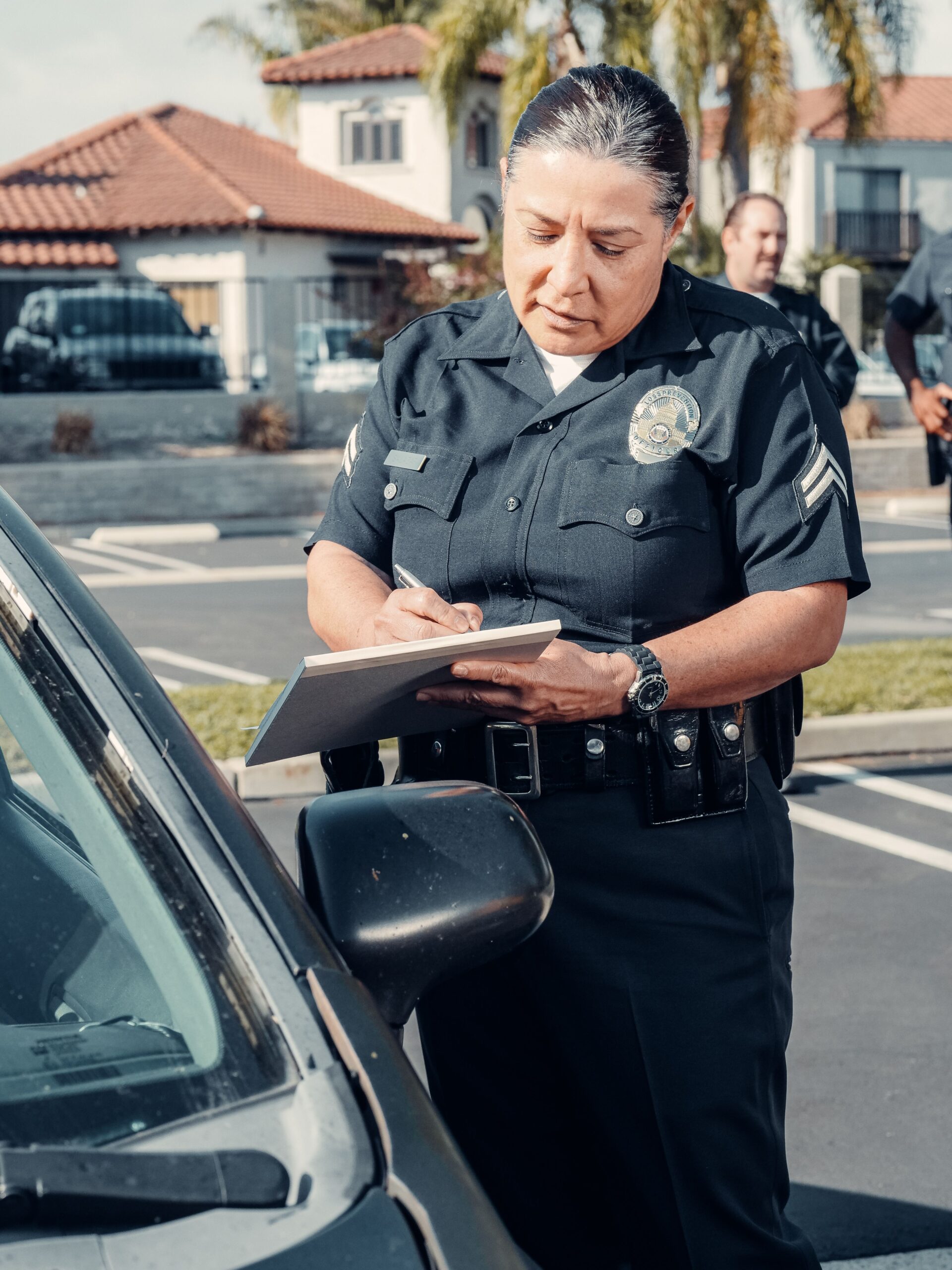
Speeding ticket cost by state is one of the first things drivers want to know after seeing those flashing lights. The honest answer: it depends heavily on where you were pulled over and how fast you were going. A first speeding ticket can run as little as $25 in some states and climb past $2,500 in others. This guide compares what a speeding ticket really costs across all 50 states, and links you to a detailed, exact-figure guide for your state.
Quick Facts: What a Speeding Ticket Costs in the U.S.
- The average speeding ticket fine is about $150; base fines range from roughly $25 to $2,500.
- The cheapest base fines are in states like New Mexico, Nebraska, Montana, and North Dakota (as low as $25-$40).
- The priciest outcomes are in California, Arizona, Nevada, and Texas for first offenses, and Illinois and Virginia can reach $2,500 for extreme speeds.
- The fine is rarely the full cost. In California, total costs often run about five times the base fine once fees and surcharges are added.
- A single ticket raises car insurance by roughly 22%-36% on average, and that surcharge usually lasts 3 to 5 years.
- Nine states do not use a formal driver-point system, which changes how a ticket affects your license.
How Your Speeding Ticket Cost Is Calculated
Your total speeding ticket cost is built from a few stacked pieces, not just one fine. Understanding them helps you see why two drivers can pay wildly different amounts for the “same” ticket.
First is the base fine, which usually scales with how far over the limit you were going. Most states charge more for 20 mph over than for 9 mph over. Next come court costs and state surcharges, which are often larger than the fine itself. Then there is the insurance increase, which can quietly become the biggest cost of all over several years. Finally, some violations add license points that push you toward suspension.
Speeding Ticket Cost by State: Cheapest vs Priciest
The table below shows example base fines to illustrate how widely costs swing by state. These are starting points only. Your exact, current figure depends on your speed and county, and you will find it in your state’s full guide linked further down.
| State | Example base fine (first offense) | Note |
|---|---|---|
| New Mexico | from ~$25 | Among the lowest base fines in the U.S. |
| Nebraska | from ~$25 | Low base fine; total cost still adds fees |
| Montana | ~$40 | One of the cheapest states for a basic ticket |
| Tennessee | up to ~$50 | Low statutory maximum for standard speeding |
| Florida | ~$204 | Higher base fine plus added fees |
| Texas | ~$215 (15 over) | Plus state surcharges and court costs |
| Nevada | ~$223 | Among the higher first-offense fines |
| Arizona | ~$231 | High base fine before fees |
| California | ~$234+ | Total cost often about 5x the base fine |
| New York | varies + $88-$93 | Mandatory surcharge on top; up to ~$1,150 for high speeds |
| Illinois | up to $2,500 | Extreme speeds can be charged as misdemeanors |
| Virginia | up to $2,500 | Reckless-by-speed threshold makes tickets very costly |
Figures above are illustrative base fines drawn from public data. They are not your final cost. Open your state’s guide below for the exact, current amount by speed, plus points and insurance impact.
Why Some States Are So Much More Expensive
Three things drive most of the gap between a cheap state and an expensive one. The first is how the state sets fines: some use flat statutory amounts, while others scale sharply with speed. The second is surcharges and fees, which some states pile on to fund courts and programs. The third is whether the state can bump a fast ticket up to reckless driving, which carries much higher fines and even jail in places like Virginia.
Points vs Surcharge States
Most states add license points for a speeding ticket, and enough points trigger a license suspension. A handful of states use an insurance surcharge system instead, and nine states do not use a formal point system at all. This matters because two tickets that cost the same in fines can affect your license and insurance very differently. Your state guide spells out exactly how your state handles it.
The Insurance Hit Is Often the Biggest Cost
For most drivers, the largest cost of a speeding ticket is not the fine. It is the insurance increase that follows. Industry data shows a single ticket raises premiums by roughly 22% to 36% on average, and that increase typically sticks around for three to five years. Over that window, the extra premium can easily top the original fine several times over.
A ticket can raise your insurance for years
See how much a violation affects rates in your state — and compare cheaper options before you renew.
How to Lower the Total Cost
You have more control than most drivers realize. In many states you can take a traffic school or defensive-driving course to keep points off your record and protect your insurance. In others, it can make sense to contest the ticket rather than just pay it, since paying is usually an admission of guilt. And after any ticket, it pays to shop your insurance, because insurers price tickets very differently. Your state guide walks through which options actually apply where you live.
Find Your State’s Exact Speeding Ticket Cost
Pick your state below for a detailed guide with the exact fine by how fast you were going, the points it adds, the insurance impact, and your options to fight it or take traffic school.
Alaska
Arizona
Arkansas
California
Colorado
Connecticut
Delaware
Florida
Georgia
Hawaii
Idaho
Illinois
Indiana
Iowa
Kansas
Kentucky
Louisiana
Maine
Maryland
Massachusetts
Michigan
Minnesota
Mississippi
Missouri
Montana
Nebraska
Nevada
New Hampshire
New Jersey
New Mexico
New York
North Carolina
North Dakota
Ohio
Oklahoma
Oregon
Pennsylvania
Rhode Island
South Carolina
South Dakota
Tennessee
Texas
Utah
Vermont
Virginia
Washington
West Virginia
Wisconsin
Wyoming
Frequently Asked Questions
What is the average cost of a speeding ticket?
The average base fine is around $150, but most drivers pay more once court fees, surcharges, and a multi-year insurance increase are added in. Your exact amount depends on your state and your speed.
Which state has the most expensive speeding tickets?
Illinois and Virginia can reach about $2,500 for extreme speeds, and California, Arizona, and Nevada have some of the highest first-offense fines. New York adds a mandatory surcharge on top of the fine.
Which state has the cheapest speeding tickets?
New Mexico and Nebraska have base fines as low as $25, with Montana, North Dakota, and Tennessee also among the cheapest for a standard first offense.
Does a speeding ticket cost more than the fine?
Almost always. Court costs, state surcharges, and a 3-to-5-year insurance increase usually add up to more than the original fine. In some states the total is several times the base fine.
Sources & How to Verify
The figures here are drawn from public data and official sources. Speeding fines change by speed, county, and year, so always confirm the exact amount with your state DMV or the court named on your citation.
- NHTSA: nhtsa.gov — national speeding and speed-management data
- GHSA: ghsa.org — state-by-state traffic-law summaries
- IIHS: iihs.org — insurance and crash-risk research
- Cornell LII: law.cornell.edu/wex — plain-English legal definitions
- Your state DMV & court: search “[your state] DMV speeding fine” and the court on your ticket for the exact schedule
Informational only. Speeding Ticket Guide is an independent educational resource, not a law firm, and this page does not provide legal advice. Fines, points, and rules are estimates for general guidance and can change — always verify the exact amount and procedure with your state DMV or the court listed on your citation. For advice about your specific situation, consult a licensed traffic attorney in your state.