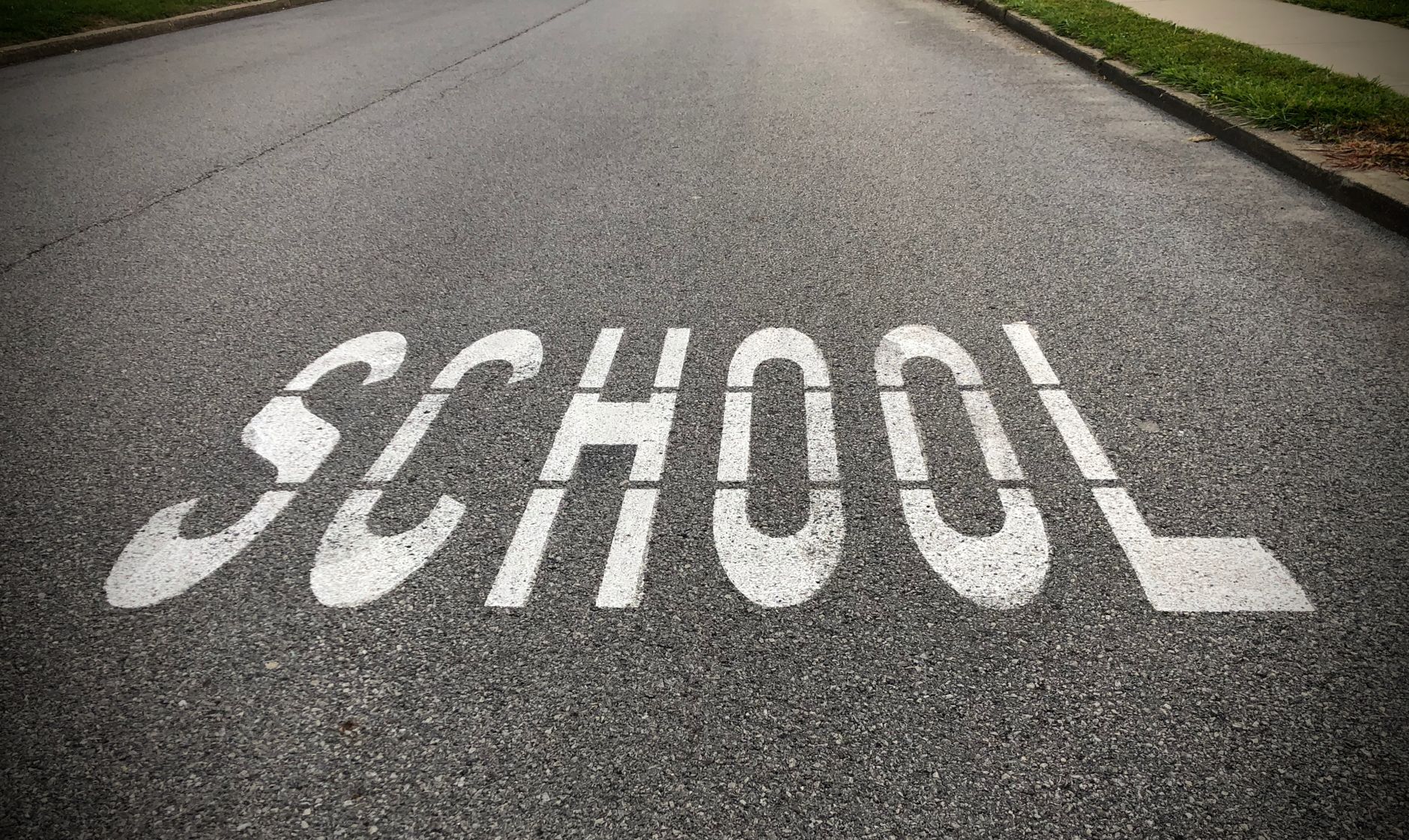
School zone and work zone speeding are two of the most heavily penalized traffic violations in America. In most states, the fines automatically double when you’re caught speeding in either zone. These enhanced penalties exist because the people in these areas — children walking to school and road workers on foot — are extremely vulnerable to being hit. If you’ve been ticketed for school zone and work zone speeding, here’s what you’re facing and what you can do about it.
How School Zone And Work Zone Speeding Penalties Work
The basic rule is simple. When you speed in a marked school zone or work zone, most states multiply the standard fine. In many states, the fine doubles automatically. Some states go even further with tiered penalties that increase based on how far over the limit you were going.
School zones typically have speed limits of 15 to 25 mph. Work zones often reduce highway speeds by 10 to 20 mph below the normal posted limit. The reduced limits are enforced whenever signs are posted — and in some states, even when no workers or children are visibly present. As a result, many drivers get caught off guard.
Here’s what school zone and work zone speeding fines look like across several states:
| State | School Zone Fine | Work Zone Fine | Points | Notes |
|---|---|---|---|---|
| Illinois | $150 minimum (first offense) | $375 (first offense) | Varies by speed | 26+ mph over in school zone = up to 6 months jail |
| Florida | Standard fine doubled (~$300–$450 total) | Standard fine doubled | 3–4 points | 6 points if crash involved |
| Texas | Standard fine doubled | Up to $1,000 (workers present) | Surcharge system | Standard speeding max is $500; doubles in work zones |
| New York | $90–$1,200 (by speed) | Standard fine doubled | 3–6 points | NYC speed cameras: $50 flat, no points |
| Pennsylvania | Up to $500 | Standard fine doubled | Varies | 15-day license suspension for 11+ mph over in work zone |
| Minnesota | Varies by speed | $300 minimum | Varies | One of the highest work zone minimums in the country |
These figures don’t include court costs and surcharges. For example, in California a $25 base fine can become $125 to $175 after penalty assessments. Always check your ticket for the total amount due, not just the base fine.
Why School Zone And Work Zone Speeding Matters for Drivers
The financial hit from school zone and work zone speeding goes well beyond the ticket itself. In most cases, points are added to your driving record. Those points trigger insurance rate increases that can last three to five years. A single violation could add hundreds of dollars per year to your premiums.
Points pile up fast with these violations. In New York, a school zone ticket can add 3 to 6 points to your license. Accumulate 11 points in 18 months and your license gets suspended. Virginia treats 20 mph over the limit as reckless driving — a criminal misdemeanor carrying up to 12 months in jail and a $2,500 fine. This applies in school and work zones too.
The consequences of school zone and work zone speeding also extend to your employment. Commercial drivers face even stricter penalties. However, even non-commercial drivers can lose their license through point accumulation. In Pennsylvania, going just 11 mph over the posted work zone limit triggers an automatic 15-day license suspension — no judge required.
What This Means for You
If you’ve received a ticket for school zone and work zone speeding, your first step is to read the ticket carefully. Note the court date, the fine amount, and whether the violation is classified as a civil infraction or a criminal offense. In Illinois, for example, speeding 26 mph or more over the school zone limit is a Class B misdemeanor — a criminal charge that requires a different legal approach than a simple traffic ticket.
You may be able to fight the ticket. Common defenses include improper signage, malfunctioning speed detection equipment, or the zone not being properly marked according to federal MUTCD standards. For instance, work zone speed limits must be justified by an engineering study under federal guidelines. If the signs weren’t placed correctly, you may have grounds to challenge the ticket.
For camera-issued tickets, the rules are often different. In New York City, school zone camera tickets are $50 with no points. In Washington State, work zone camera tickets are classified as non-moving violations — they won’t affect your insurance or driving record. However, officer-issued tickets in the same zones carry full penalties. Know which type of ticket you received.
Common Mistakes to Avoid
The biggest mistake drivers make with school zone and work zone speeding tickets is assuming the zone wasn’t active. Many drivers believe a school zone only applies during school hours or that a work zone only counts when workers are present. Typically, this is wrong. In New York, work zone limits must be obeyed even when no construction is actively happening. In many states, school zone limits apply whenever the signs are flashing — regardless of whether you see children.
Another common mistake is ignoring the ticket. School zone and work zone speeding violations don’t go away on their own. Failing to respond usually leads to a default guilty finding, additional fines, and possible license suspension. Some drivers also make the mistake of simply paying the fine without considering traffic school or a plea reduction. In most cases, attending a defensive driving course can reduce or eliminate the points on your record.
📨 Get Free Traffic Ticket Guides Alerts
Free · No spam · Unsubscribe anytime
Finally, don’t assume all school zone and work zone speeding tickets are the same. A camera ticket and an officer-issued ticket are treated very differently in most states. Camera tickets often carry lower fines and no points. Officer-issued tickets carry the full weight of the law. Check your state’s specific rules before deciding how to respond.
Frequently Asked Questions
Do school zone and work zone speeding fines really double in every state?
Not every state uses an exact doubling formula. However, the vast majority of states impose significantly enhanced penalties for these zones. For example, Minnesota sets a $300 minimum for work zone speeding regardless of the standard fine. Illinois uses a tiered system with escalating criminal penalties. The enhanced penalty concept is nearly universal, but the exact multiplier varies.
Can I go to jail for school zone and work zone speeding?
In some states, yes. Illinois classifies school zone speeding of 26 mph or more over the limit as a criminal misdemeanor with up to 6 months in jail. Virginia treats any speeding 20 mph or more over the limit as reckless driving — a misdemeanor carrying up to 12 months in jail. Maryland’s 2025 law makes going 30 mph or more over any camera-enforced speed limit a reckless driving offense with up to 60 days in jail.
Will a school zone or work zone camera ticket affect my insurance?
It depends on your state. In Washington State, work zone camera tickets are classified as non-moving violations and won’t affect your insurance. In New York City, school zone camera tickets carry no points. However, in states like Maryland, camera fines can reach $1,000 for extreme speeding in work zones when workers are present. Check whether your state treats camera tickets as moving or non-moving violations.
A ticket can raise your insurance for years
See how much a violation affects rates in your state — and compare cheaper options.
Find Your State’s Exact Rules
Fines, points, and the process to fight a ticket all change from state to state. Pick your state to see the exact fine by how fast you were going, the points it adds, and your options to fight it or take traffic school.
Sources & How to Verify
The figures and rules on this page are drawn from official sources. Always confirm the exact amount and procedure with your state DMV or the court listed on your citation.
- NHTSA: nhtsa.gov — national speeding and speed-management data
- GHSA: ghsa.org — state traffic-law summaries and automated-enforcement data
- IIHS: iihs.org — insurance and crash-risk research
- Cornell LII: law.cornell.edu/wex — plain-English legal definitions
- Your state DMV & court: search “[your state] DMV points” and the court named on your ticket for the exact fine schedule
Content last reviewed June 2026. If you notice outdated information, please contact us.
Related Guides
- All 50 State Guides
- More in This Category
- Traffic Law Explainers
- Violation Type Guides
- Cost & Insurance Impact
- Comparisons
- Traffic School & Dismissal
Informational only. Speeding Ticket Guide is an independent educational resource, not a law firm, and this page does not provide legal advice. Fines, points, and rules are estimates for general guidance and can change — always verify the exact amount and procedure with your state DMV or the court listed on your citation. For advice about your specific situation, consult a licensed traffic attorney in your state.