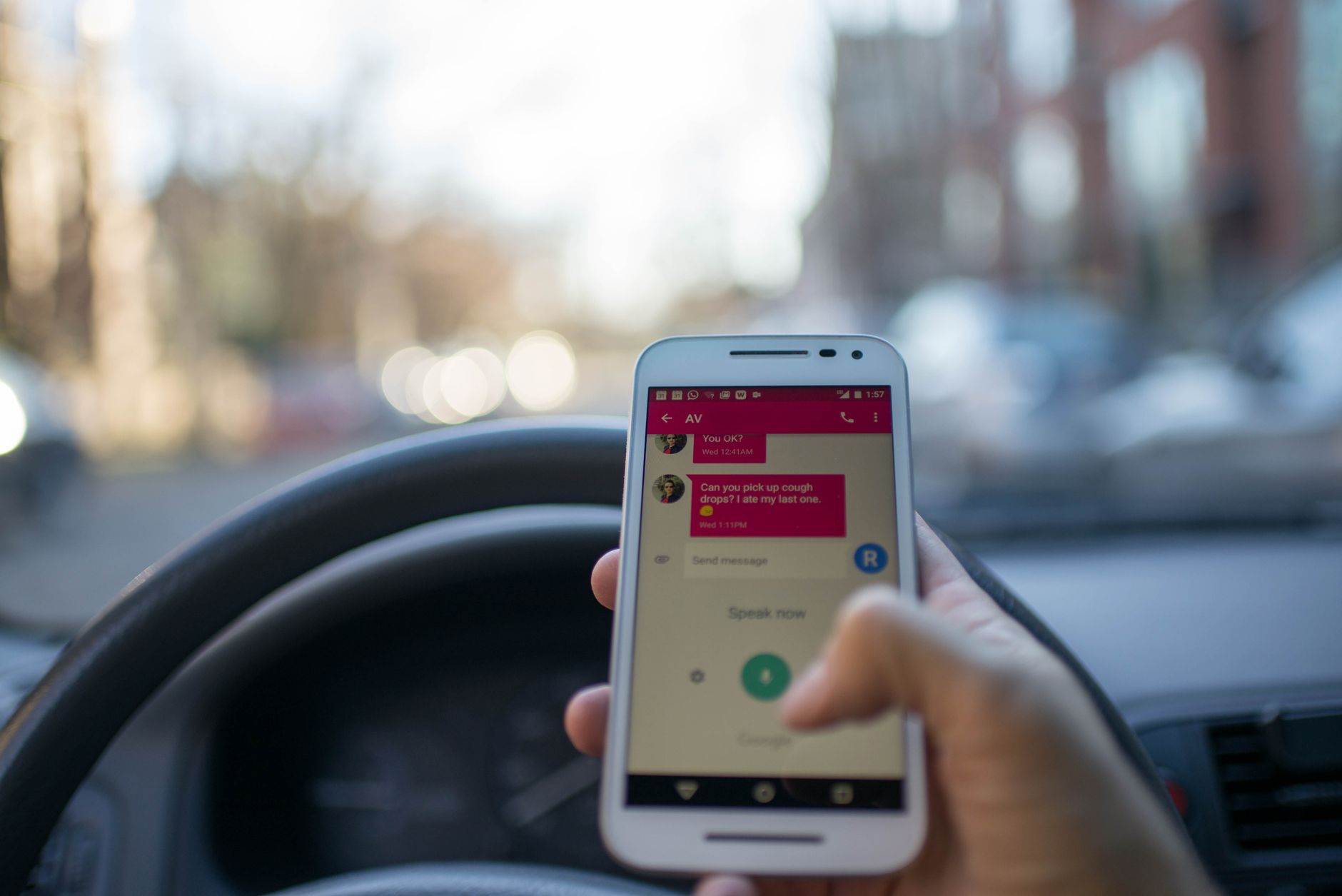
Texting while driving ticket fines range from under $100 to over $1,000 depending on your state. Nearly every state now bans texting behind the wheel. If you were caught looking at your phone, you are not alone — and you are not necessarily stuck paying the full penalty. However, you do need to act quickly. This guide covers what a texting while driving ticket actually costs, whether it adds points to your license, how it hits your insurance, and what you can do to fight it.
What a Texting While Driving Ticket Costs
The fine for a texting while driving ticket varies wildly by state. Some states treat it like a minor traffic infraction. Others classify it as a misdemeanor with serious penalties. The table below shows what a first offense actually costs in several states after court fees and surcharges are added.
| State | 1st-Offense Fine (Total) | 2nd-Offense Fine | Points |
|---|---|---|---|
| New York | Up to $200 | Up to $250 | 5 points |
| California | ~$162 (after fees) | ~$285 (after fees) | 0 (1st); 1 point (2nd+) |
| Florida | ~$108 (after court costs) | ~$158 + 3 points | 0 (1st); 3 points (2nd) |
| Georgia | $50 | $100 | 1 point (1st); 2 points (2nd) |
| Oregon | Up to $1,000 | Up to $2,000 | No point system |
| Alaska | Up to $10,000 | Same (misdemeanor) | Criminal record |
As you can see, the range is enormous. Georgia charges $50 for a first offense, while Alaska treats it as a criminal misdemeanor with fines up to $10,000 and possible jail time. Oregon can fine you $1,000 on the first ticket and up to $2,500 on the third. For example, a third offense in Oregon within ten years also carries up to six months in jail.
These numbers are for first offenses only. Repeat offenses almost always cost more. Check your own state’s traffic ticket guide for the exact fine in your jurisdiction.
Does a Texting While Driving Ticket Add Points?
In about half of all states, a texting while driving ticket adds points to your driving record. New York is one of the strictest — five points per violation. Accumulate 11 points in 18 months and your license gets suspended. In Georgia, a first offense adds just one point, but that climbs to three points by the third ticket.
However, some states take a different approach. California adds zero points for a first-offense texting ticket, though a second offense within three years does add one point. Florida treats the first ticket as a non-moving violation with no points, but a second offense within five years becomes a moving violation carrying three points.
Even in states without a formal point system, a texting while driving ticket still goes on your driving record. As a result, your insurance company can still see it and raise your rates. Points are not the only thing that matters — the conviction itself is what triggers higher premiums.
How a Texting While Driving Ticket Affects Your Insurance
A texting while driving ticket raises your car insurance rates by an average of 23% to 28% nationally. In dollar terms, that means roughly $150 to $900 more per year. Some states hit even harder. In California, drivers report increases near 51%. In Connecticut, the average jump is around 64%.
The surcharge typically stays on your policy for three to five years. Over that time, a single texting while driving ticket can cost you $1,000 to $3,000 in combined fines and extra premiums. That makes this one of the more expensive “minor” traffic tickets you can get.
If your rates do go up, it pays to shop around. Different insurers weigh texting violations differently. You may be able to find a better deal by comparing insurance quotes after a ticket.
Can You Fight a Texting While Driving Ticket?
Many drivers can successfully fight a texting while driving ticket. The key is understanding what the officer must prove and what defenses apply in your state. You typically have 15 to 30 days to respond to the ticket, so check the deadline printed on your citation.
Here are the most common defenses that work in texting ticket cases. First, the emergency exception — most states allow phone use to call 911 or report a hazard. If you were making an emergency call, that may be a valid defense. Second, mistaken observation — you may have been adjusting your radio, looking at a watch, or reaching for something else.
The officer must prove you were actually using a phone. Third, in some states the law only applies while the vehicle is moving. If you were stopped at a red light or parked, you may have a defense.
📨 Get Free Traffic Ticket Guides Alerts
Free · No spam · Unsubscribe anytime
Typically, police need a warrant to search your phone records. The burden of proof is on the prosecution. If the officer’s testimony is the only evidence, many drivers have been able to get the ticket reduced or dismissed. However, outcomes vary by court and judge, so check with your local traffic court for guidance on your specific situation.
Frequently Asked Questions
Does a texting while driving ticket show up on a background check?
In most states, a texting ticket is a traffic infraction that does not appear on a criminal background check. However, in Alaska and Oregon, repeat offenses can be charged as misdemeanors, which do show up. Check your state’s classification to be sure.
Can I go to traffic school to dismiss a texting while driving ticket?
Many states allow you to attend a defensive driving or distracted driving course to reduce or dismiss the ticket. For example, Oregon may suspend your fine if you complete a distracted driving avoidance class within four months. Not every state offers this option, so ask your court clerk.
Is holding my phone for GPS the same as texting?
In the 34 states with hands-free laws, holding your phone for any reason — including GPS — is illegal. California confirmed this in a 2025 appeals court ruling. If your state has a hands-free law, mount your phone on the dashboard and use voice commands to stay legal.
A ticket can raise your insurance for years
See how much a violation affects rates in your state — and compare cheaper options.
Find Your State’s Exact Rules
Fines, points, and the process to fight a ticket all change from state to state. Pick your state to see the exact fine by how fast you were going, the points it adds, and your options to fight it or take traffic school.
Sources & How to Verify
The figures and rules on this page are drawn from official sources. Always confirm the exact amount and procedure with your state DMV or the court listed on your citation.
- NHTSA: nhtsa.gov — national speeding and speed-management data
- GHSA: ghsa.org — state traffic-law summaries and automated-enforcement data
- IIHS: iihs.org — insurance and crash-risk research
- Cornell LII: law.cornell.edu/wex — plain-English legal definitions
- Your state DMV & court: search “[your state] DMV points” and the court named on your ticket for the exact fine schedule
Content last reviewed June 2026. If you notice outdated information, please contact us.
Related Guides
- All 50 State Guides
- More in This Category
- Traffic Law Explainers
- Violation Type Guides
- Cost & Insurance Impact
- Comparisons
- Traffic School & Dismissal
Informational only. Speeding Ticket Guide is an independent educational resource, not a law firm, and this page does not provide legal advice. Fines, points, and rules are estimates for general guidance and can change — always verify the exact amount and procedure with your state DMV or the court listed on your citation. For advice about your specific situation, consult a licensed traffic attorney in your state.