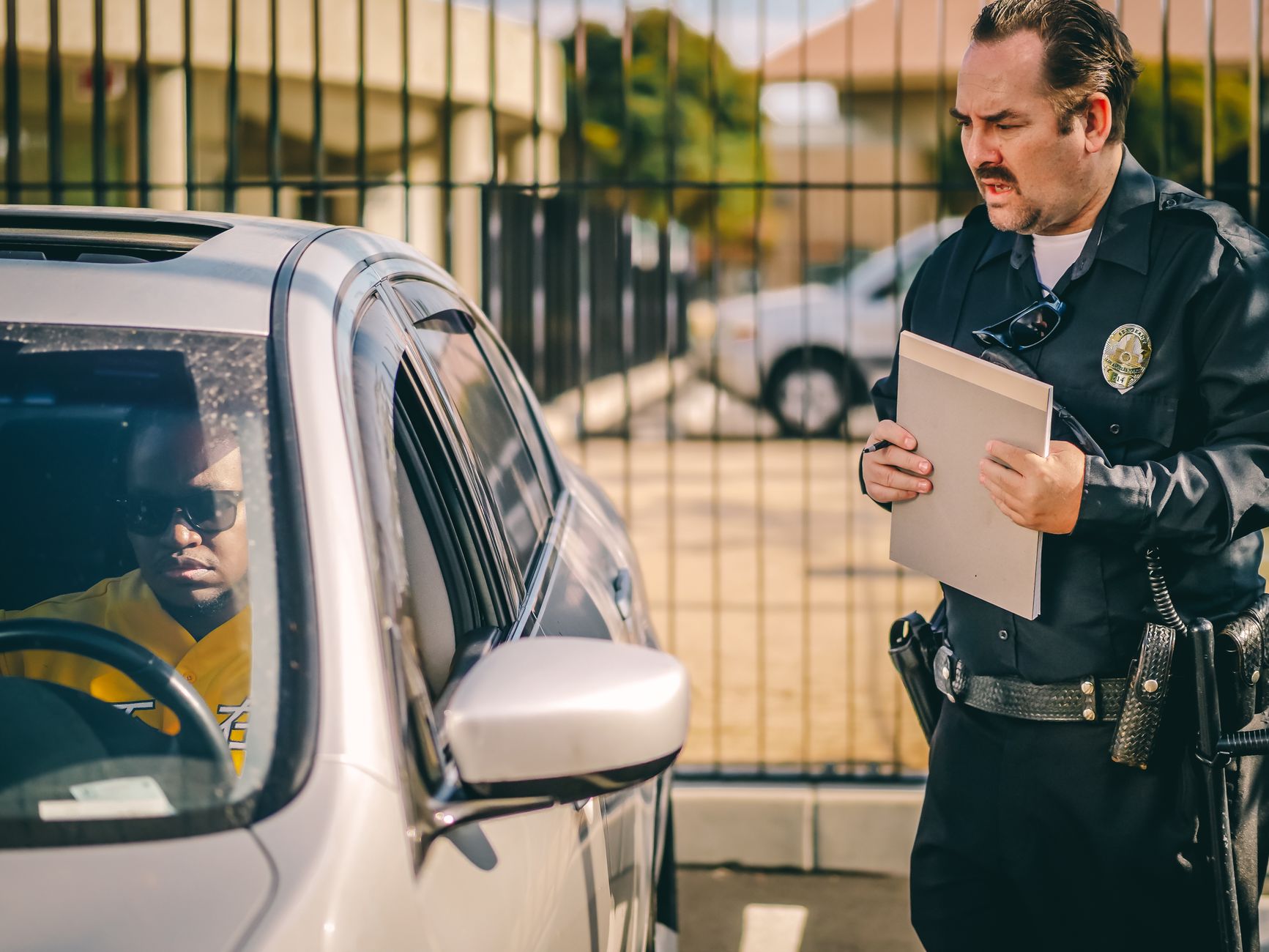
What to say when pulled over is one of those things most drivers never think about — until they see flashing lights in the rearview mirror. In that moment, your words matter more than you might realize. What you say (and don’t say) during a traffic stop can affect whether you get a warning or a ticket. It can also determine whether you can fight that ticket later in court. This guide walks you through the smart approach, step by step.
How What to Say When Pulled Over Works
Understanding what to say when pulled over starts with knowing what you must provide. Every state requires drivers to show three things: your driver’s license, vehicle registration, and proof of insurance. Refusing to hand these over can lead to additional charges. However, beyond those documents, you have broad rights to limit the conversation.
The Fourth Amendment protects you from unreasonable searches. The Fifth Amendment protects you from self-incrimination. In practical terms, this means the officer can ask you questions — but you do not have to answer most of them. For example, “Do you know how fast you were going?” is a question designed to get you to admit fault. A safe response is simply, “I respectfully decline to answer.”
Here is what a smart traffic stop looks like, step by step:
| Step | What to Do | What to Say |
|---|---|---|
| 1. Pull over safely | Signal, slow down, stop in a safe spot | (Nothing yet — just stop promptly) |
| 2. Stay calm | Turn off engine, hands on wheel, interior light on at night | “Good evening, officer.” |
| 3. Provide documents | Hand over license, registration, insurance when asked | “Here you go.” |
| 4. Decline tricky questions | Do not admit speed, fault, or where you were going | “I’d prefer not to answer that.” |
| 5. Refuse searches politely | You can say no to a vehicle search | “I don’t consent to searches.” |
| 6. Accept or sign the ticket | Signing is NOT an admission of guilt | “Thank you, officer.” |
Signing a citation simply means you acknowledge receiving it. It does not mean you are pleading guilty. You can still fight the ticket in court afterward.
Why What to Say When Pulled Over Matters for Drivers
Knowing what to say when pulled over matters because your words can become evidence. If you tell the officer, “Sorry, I know I was going 80,” that statement can be used against you in court. At that point, fighting the ticket becomes nearly impossible. You have essentially entered a guilty plea on the side of the road.
The financial stakes are real. Speeding tickets carry different fines by state, and the total cost — including court fees and surcharges — adds up fast. Here are some examples of what a ticket for going 10–14 mph over the limit typically costs:
| State | Fine (10–14 mph over) | Points Added | Avg. Insurance Increase |
|---|---|---|---|
| California | $238+ (with fees) | 1 point | 15–25% |
| Florida | $204+ | 3 points | 20–25% |
| Texas | $223+ | 2 points | 15–20% |
| Virginia | $200+ | 4 demerit points | 20–30% |
| New York | $150–$300 | 4 points | 15–25% |
Those fines are just the beginning. In most cases, your car insurance rates will rise for three to five years after a conviction. As a result, a single $200 ticket can cost over $1,000 in total when you factor in higher premiums. That is exactly why what to say when pulled over is worth thinking about ahead of time.
What This Means for You
Now that you know what to say when pulled over, here are your clear action steps. First, keep your documents organized and easy to reach. Fumbling through a messy glove box makes you look nervous and extends the stop. Have your registration and insurance card in a spot you can find in seconds.
Second, rehearse a few short phrases so they come naturally under stress. “I’d prefer not to answer that” and “I don’t consent to searches” are two sentences worth memorizing. They are polite, legal, and protect your rights. You do not need to explain why you are declining. In most cases, the officer will simply move on.
Third, write down everything you remember as soon as the stop ends. Note the time, location, weather, traffic conditions, and what was said. These details can help you or an attorney build a defense later. What to say when pulled over is only half the equation — what you remember afterward matters just as much.
Common Mistakes to Avoid
The biggest mistake is apologizing or admitting fault. Saying “I’m sorry, I didn’t realize I was going that fast” sounds polite, but it is a confession. Officers are trained to note these statements, and prosecutors can use them in court. Knowing what to say when pulled over means knowing what not to say, too.
Another common mistake is arguing with the officer on the roadside. The side of the road is not a courtroom. You will not talk your way out of a ticket by debating the speed limit or the accuracy of the radar gun. Typically, arguing only annoys the officer and removes any chance of getting a warning. Save your arguments for court, where they actually count.
A third mistake is consenting to a vehicle search when you do not have to. If an officer asks, “Mind if I take a look around your car?” many drivers say yes out of nervousness. However, the Fourth Amendment gives you the right to refuse. Simply say, “I don’t consent to searches.” If the officer has probable cause, they may search anyway — but your refusal is noted on the record and can help your case later.
Finally, do not reach for your documents before the officer asks. Sudden movements make officers uneasy. Keep your hands visible on the steering wheel until instructed otherwise. What to say when pulled over also includes what to say before you move: “My registration is in the glove box — may I reach for it?”
📨 Get Free Traffic Ticket Guides Alerts
Free · No spam · Unsubscribe anytime
Frequently Asked Questions
Do I have to answer “Do you know why I pulled you over?”
No. This is the most common question officers ask, and it is designed to get an admission of guilt. You are not legally required to answer. A safe response is, “No, officer, could you tell me?” This keeps things polite without incriminating yourself. Understanding what to say when pulled over starts with this exact question.
Can I record the traffic stop on my phone?
In most states, yes. You generally have the right to record police interactions in public spaces. However, do not interfere with the officer’s duties while recording. Keep your phone mounted or in a steady position. Do not wave it in the officer’s face — that may escalate the situation.
What happens if I refuse to sign the ticket?
In many states, refusing to sign a citation can lead to arrest. Your signature is not a guilty plea — it is simply an acknowledgment that you received the ticket. Signing it preserves your right to fight the charge in court. What to say when pulled over also means knowing when to simply sign and move on.
Should I explain why I was speeding?
No. Explaining that you were late for work or rushing to an appointment is still an admission that you were speeding. The officer may sympathize, but your explanation can be quoted in a police report. It is better to stay quiet and present your case in court if you decide to fight the ticket.
A ticket can raise your insurance for years
See how much a violation affects rates in your state — and compare cheaper options.
Find Your State’s Exact Rules
Fines, points, and the process to fight a ticket all change from state to state. Pick your state to see the exact fine by how fast you were going, the points it adds, and your options to fight it or take traffic school.
Sources & How to Verify
The figures and rules on this page are drawn from official sources. Always confirm the exact amount and procedure with your state DMV or the court listed on your citation.
- NHTSA: nhtsa.gov — national speeding and speed-management data
- GHSA: ghsa.org — state traffic-law summaries and automated-enforcement data
- IIHS: iihs.org — insurance and crash-risk research
- Cornell LII: law.cornell.edu/wex — plain-English legal definitions
- Your state DMV & court: search “[your state] DMV points” and the court named on your ticket for the exact fine schedule
Content last reviewed June 2026. If you notice outdated information, please contact us.
Related Guides
- All 50 State Guides
- More in This Category
- Traffic Law Explainers
- Violation Type Guides
- Cost & Insurance Impact
- Comparisons
- Traffic School & Dismissal
Informational only. Speeding Ticket Guide is an independent educational resource, not a law firm, and this page does not provide legal advice. Fines, points, and rules are estimates for general guidance and can change — always verify the exact amount and procedure with your state DMV or the court listed on your citation. For advice about your specific situation, consult a licensed traffic attorney in your state.